
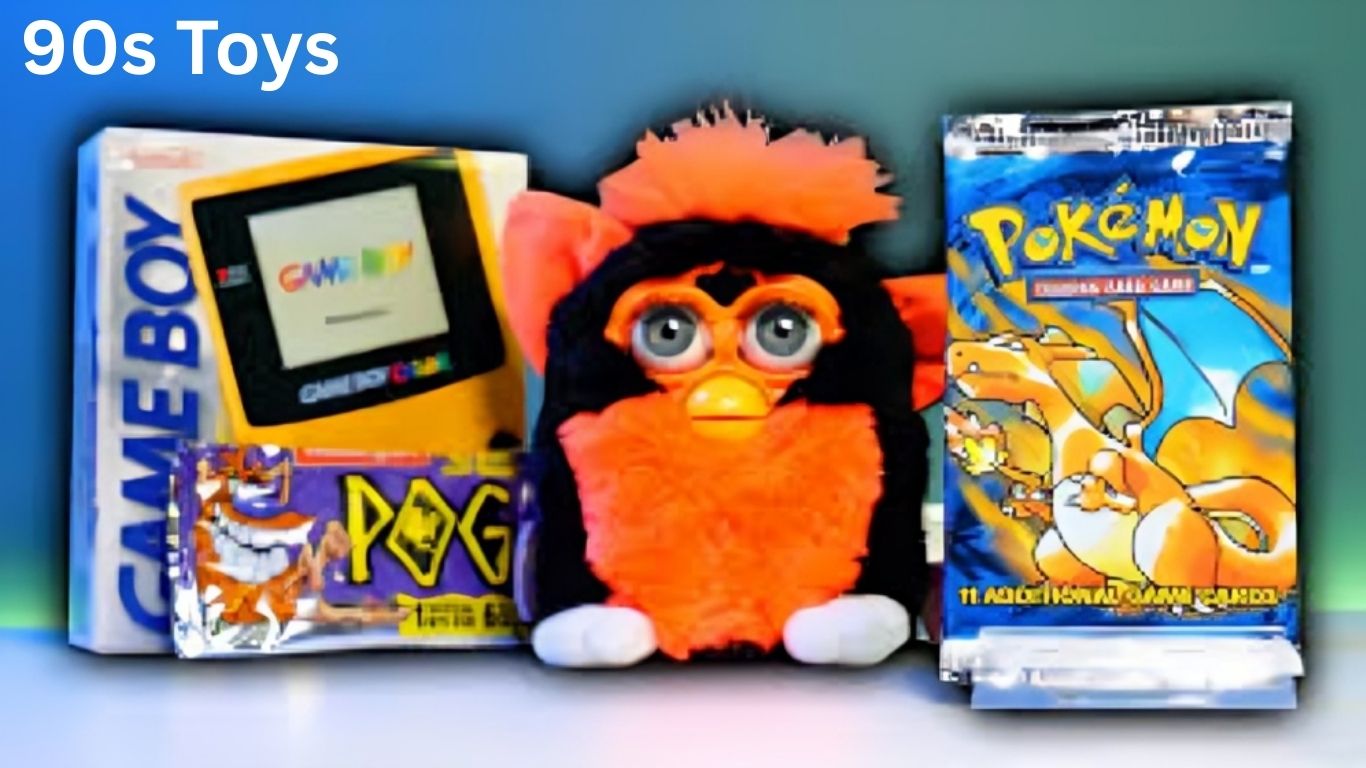
90s Toys A Deep Journey into the Golden Age of Play
The 1990s were a defining decade for childhood imagination, creativity, and play. For millions of children around the world, toys were not just objects but companions, symbols of identity, and gateways to entire universes of adventure. When people talk about 90s toys, they are often talking about more than plastic figures or electronic gadgets. They are remembering a time when play felt limitless, when afternoons were shaped by imagination rather than screens, and when toys carried cultural meaning that extended far beyond the bedroom floor.
This article explores the world of 90s toys in depth, examining why this era was so influential, how toys reflected the culture of the decade, and why their legacy still feels powerful today. From action figures and dolls to electronic innovations and creative playsets, the 1990s created a toy landscape that continues to inspire nostalgia and fascination.
Why the 1990s Became a Legendary Era for Toys
The 1990s arrived at a unique moment in history. Technology was advancing rapidly, but it had not yet replaced traditional play. Children still spent most of their free time outdoors or on the floor of their rooms, building stories with physical toys. At the same time, television, movies, and video games were becoming central to popular culture, and toy companies learned how to connect their products directly to these forms of entertainment.
This balance created a perfect environment for innovation. Toy manufacturers experimented with bold ideas, colorful designs, and interactive features. They were not afraid to take risks, and many of those risks paid off. The result was a decade filled with toys that felt fresh, exciting, and deeply connected to the lives of children.
Another reason the era stands out is emotional memory. Many adults today associate 90s toys with a sense of freedom and simplicity. These toys were part of everyday routines, from Saturday morning cartoons to after-school play sessions. That emotional connection has helped keep the reputation of 90s toys alive long after the decade ended.
Action Figures and the Rise of Character-Driven Play
Action figures were a central part of toy culture in the 1990s. While action figures existed long before this decade, the 90s transformed them into cultural icons. This change was driven by strong storytelling. Many figures were tied to cartoons, movies, and comic books, giving children ready-made worlds to explore.
These toys encouraged imaginative role-playing. Children could recreate scenes they had watched on television or invent entirely new adventures. The figures were often highly detailed, with unique costumes, accessories, and exaggerated features that made them visually striking. This level of detail made the characters feel alive and memorable.
The popularity of action figures also reflected a broader cultural trend. The 1990s celebrated heroes, teamwork, and fantasy. Toys mirrored these themes, offering children a sense of empowerment and creativity. For many, action figures were the foundation of storytelling skills and imaginative thinking.
Dolls and the Evolution of Personal Expression
Dolls in the 1990s underwent significant change. They became more expressive, diverse, and reflective of modern childhood. Rather than simply representing idealized images, many dolls were designed with personality, fashion, and individuality in mind. This allowed children to connect with them on a deeper level.
The decade saw dolls that encouraged storytelling and social play. Children created friendships, families, and entire communities through their dolls. Clothing and accessories played a major role, giving kids the opportunity to express style preferences and creativity. Changing outfits and creating scenarios became a form of self-expression.
Dolls also reflected cultural shifts. The 1990s were a time of growing awareness around identity and representation. Toy companies began to experiment with different looks, backgrounds, and themes, helping children see themselves in their toys and understand others better.
Electronic Toys and the First Taste of Digital Play
One of the most important developments of the 1990s was the rise of electronic toys. These toys introduced sounds, lights, and simple digital interactions into traditional play. They were not as complex as modern devices, but they felt magical at the time.
Electronic toys taught basic concepts like responsibility, problem-solving, and cause-and-effect. Many required regular attention, encouraging children to develop routines and patience. Others focused on music, learning, or simple games, blending education with entertainment.
What made these toys special was their novelty. For many children, 90s Toys electronic toys were their first experience with digital interaction. This created excitement and curiosity without overwhelming them. It was a gentle introduction to technology that still allowed room for imagination and physical play.
Board Games and Shared Family Experiences
While individual toys were important, the 1990s also valued shared play. Board games and tabletop games played a major role in family and social life. These games brought people together, encouraging conversation, competition, and cooperation.
The board games of the 90s often featured bold designs, creative themes, and interactive elements. Some incorporated physical movement, sound effects, or timed challenges, making them feel dynamic and engaging. Others focused on strategy or storytelling, appealing to a wide range of ages.
These games taught important life skills. Children learned how to follow rules, take turns, handle winning and losing, and work with others. The memories created around a table or on the living room floor remain some of the most cherished aspects of 90s toy culture.
Creative Toys and the Power of Imagination
Creativity was at the heart of many 90s toys. Arts and crafts sets, building toys, and open-ended playsets allowed children to create rather than simply consume. These toys did not dictate a single way to play. Instead, they offered tools and materials that could become anything.
Building toys encouraged spatial thinking and problem-solving. Art kits supported self-expression and confidence. Playsets created miniature worlds where imagination could run freely. The emphasis was on exploration and experimentation rather than perfection.
This approach to play helped children develop critical thinking and creativity. It also allowed for long-term engagement. A single creative toy could provide entertainment for years, evolving as the child’s skills and interests grew.
The Influence of Television and Movies on Toy Design
The 1990s were heavily influenced by media. Cartoons, movies, and television shows shaped the toys children wanted and how they played with them. Toy companies worked closely with entertainment creators to develop products that matched popular stories and characters.
This connection made toys feel more immersive. Children were not just playing with objects but participating in larger narratives. Watching a show and then reenacting scenes with toys created a seamless experience between media and play.
At the same time, toys sometimes introduced children to stories they had not yet seen. A figure or playset could spark interest in a cartoon or movie, creating a cycle of discovery and engagement. This synergy between media and toys defined much of the decade.
Collectibility and the Beginning of Toy Culture for Adults
Another important aspect of 90s toys was the rise of collectibility. Some toys were designed with rarity, special editions, or long-term value in mind. While children were the primary audience, adults began to take notice.
Collectors appreciated the craftsmanship, nostalgia, and cultural significance of these toys. Over time, certain 90s toys became valuable, not just financially but emotionally. They represented moments in history and personal childhood memories.
This shift laid the foundation for modern toy collecting culture. Today, many adults proudly display 90s toys as part of their identity, blending childhood nostalgia with adult appreciation.
Gender Roles and Changing Perspectives in Toy Marketing
Toy marketing in the 1990s often reflected traditional gender roles, but it was also a time of transition. While some toys were clearly targeted toward boys or girls, others began to challenge these boundaries.
There was a growing recognition that children’s interests were diverse and not limited by gender. Some toys encouraged collaboration, creativity, and exploration regardless of who played with them. This gradual shift helped broaden the definition of play.
Looking back, the 90s represent both the persistence of old ideas and the beginnings of change. Understanding this context helps explain why the decade feels so important in the evolution of toys and childhood culture.
The Emotional Impact of 90s Toys on Childhood Memories
The lasting appeal of 90s toys is deeply emotional. These toys were present during formative years, shaping routines, friendships, and personal identity. They were often associated with specific moments, such as birthdays, holidays, or after-school play.
Because of this, memories connected to these toys feel vivid and personal. Holding or seeing a familiar toy can instantly transport someone back in time. This emotional power is a key reason why interest in 90s toys remains strong.
Nostalgia is not just about missing the past. It is about recognizing the value of experiences that shaped who we are. 90s toys represent creativity, connection, and joy in a way that feels increasingly rare.
How 90s Toys Compare to Modern Toys
When compared to modern toys, 90s toys feel simpler but not less meaningful. Today’s toys often rely heavily on screens, apps, and constant updates. While these features offer convenience and variety, they can sometimes limit imagination.
In contrast, many 90s toys required effort and creativity from the child. They did not provide instant rewards. Instead, they encouraged patience, storytelling, and hands-on engagement. This difference is often highlighted by parents who want their children to experience similar forms of play.
Modern toy design continues to learn from the past. Many current products intentionally incorporate elements inspired by 90s toys, blending nostalgia with new technology.
The Cultural Legacy of 90s Toys
The cultural influence of 90s toys extends far beyond the decade itself. They continue to appear in movies, television, fashion, and art. References to these toys instantly connect with audiences, creating shared moments of recognition and joy.
This legacy exists because the toys were more than trends. They were part of everyday life. They reflected the values, hopes, and creativity of a generation. As a result, they remain relevant even as society changes.
The continued popularity of re-releases and inspired designs shows that the spirit of 90s toys still resonates. It speaks to a universal desire for play that feels meaningful and imaginative.
Why 90s Toys Still Matter Today
Understanding the importance of 90s toys helps us appreciate the role of play in human development. These toys supported creativity, social skills, and emotional growth. They provided comfort, excitement, and inspiration.
In a fast-paced digital world, looking back at the 1990s reminds us of the value of slowing down and engaging with the physical world. It encourages a balanced approach to play that combines technology with imagination.
For adults, revisiting these toys can be healing and joyful. For children, discovering them can be refreshing and inspiring. This timeless quality is what makes 90s toys truly special.
Conclusion
The story of 90s toys is a story of creativity, connection, and cultural change. These toys defined a generation and left a lasting mark on how we understand play. They were innovative without being overwhelming, imaginative without being complicated, and deeply personal without being exclusive.
As time moves forward, the influence of 90s toys continues to grow. They remind us that the best toys are not just about technology or trends but about how they make us feel. The magic of the 1990s lives on in the memories we cherish and the lessons we pass on to future generations.